AI and data intelligence — the technology layer behind Jem & Jones

The studio

Built at the
intersection of
design and data.

Jem & Jones was founded on a simple observation: the hosts who win aren't always the ones with the most beautiful properties. They're the ones who understand their guests — and design every touchpoint around that understanding.

A studio built for
the experience economy.

The short-term rental market has changed. Guests arrive with hotel-level expectations and a phone full of beautifully designed alternatives. A listing that was competitive three years ago often isn't today — not because the property has declined, but because the standard has moved.

Jem & Jones exists to close that gap. We combine the analytical rigour of a performance consultancy with the design sensibility of an editorial studio — and use AI to do the heavy lifting on the data side, so our human expertise can go where it matters most.

The name comes from a simple idea: a property should have a personality. Something distinctive enough to remember, considered enough to return to. Not generic comfort — genuine character, thoughtfully executed.

We're based in South Africa and work with hosts across Africa, Europe, and beyond. Every market is different. The standard isn't.
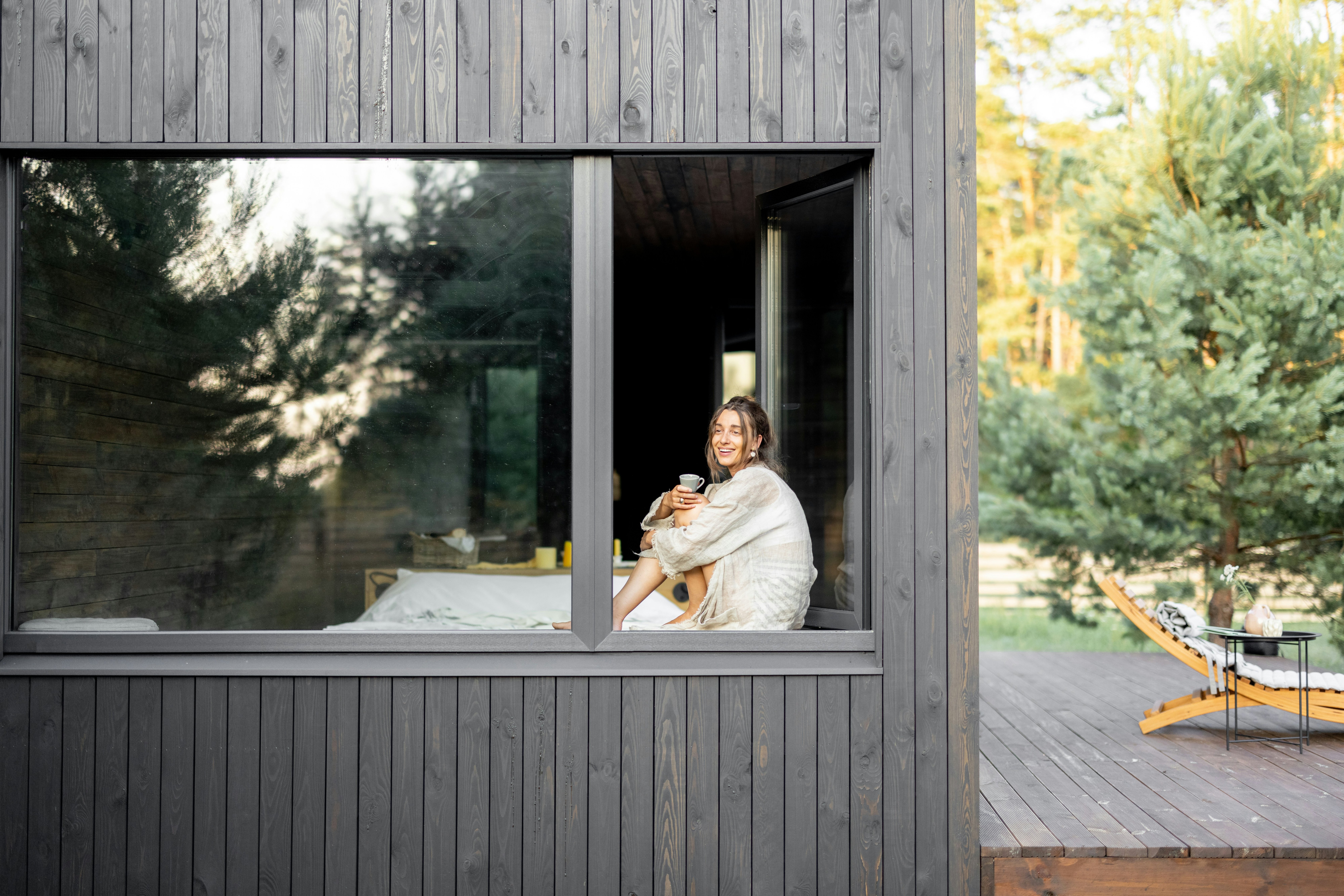

Guest at home in a beautifully designed Airbnb — laughing, coffee in hand
Carefully considered bedding detail — round linen pillow, soft neutrals

How we work

Three principles.
Every engagement.

These aren't values written for a website. They're the actual constraints we put on our work — the things we won't compromise on regardless of budget, timeline, or tier.

01

Data before opinion

Every recommendation starts with the AI audit. We don't walk into a property with a design agenda — we walk in with the data, and let the evidence shape the direction. Aesthetic preference follows performance insight, not the other way around.

02

Design through the guest's eyes

We assess every decision through a single question: what will a guest with high expectations notice first? That lens applies to the first listing photo, the welcome note on the counter, and the quality of the light in the bedroom. Everything is a guest touchpoint.

03

Honest over flattering

We tell clients what we actually see — not what's comfortable to hear. A 58/100 is a 58/100. The value of our analysis comes from its accuracy, not its encouragement. Every piece of critical feedback comes with a specific, costed path forward.

おもてなし Omotenashi

The guiding principle

The art of anticipating
a guest's needs — before
they are expressed.

Omotenashi is a Japanese concept rooted in the tea ceremony tradition — the idea that a host's role is to remove every possible friction from a guest's experience, not by reacting to requests, but by anticipating them before they arise.

It's not a product name or a marketing idea. It's the operational standard we hold every recommendation to. When we assess a property, we're not asking "what's wrong?" — we're asking "what would a guest with high expectations need to feel completely at ease here, from the moment they book to the moment they leave?"

That question changes what we look at, what we prioritise, and what we recommend. It's the difference between fixing problems and designing experiences.

Our approach

Intelligence first.
Design second. Always.

01

Audit everything

We start with the data — your listing, your reviews, your market position, your competitors. The AI surfaces patterns a human eye would miss at scale. Only then do we form a design opinion.

02

Prioritise by impact

Not every problem is worth solving. We rank recommendations by their likely effect on revenue, rating, and guest satisfaction — so you spend budget where it moves the needle, not where it looks impressive.

03

Design with intention

Design decisions are made against a brief, not a mood board. The brief comes from the data. Every spatial decision — furniture, lighting, texture, colour — is traceable back to a specific guest experience outcome.

04

Measure the result

We check in at 30 days. If our recommendations moved your rating, your occupancy, or your revenue — we want to know. If they didn't, we want to know that too. The feedback loop makes the work better.

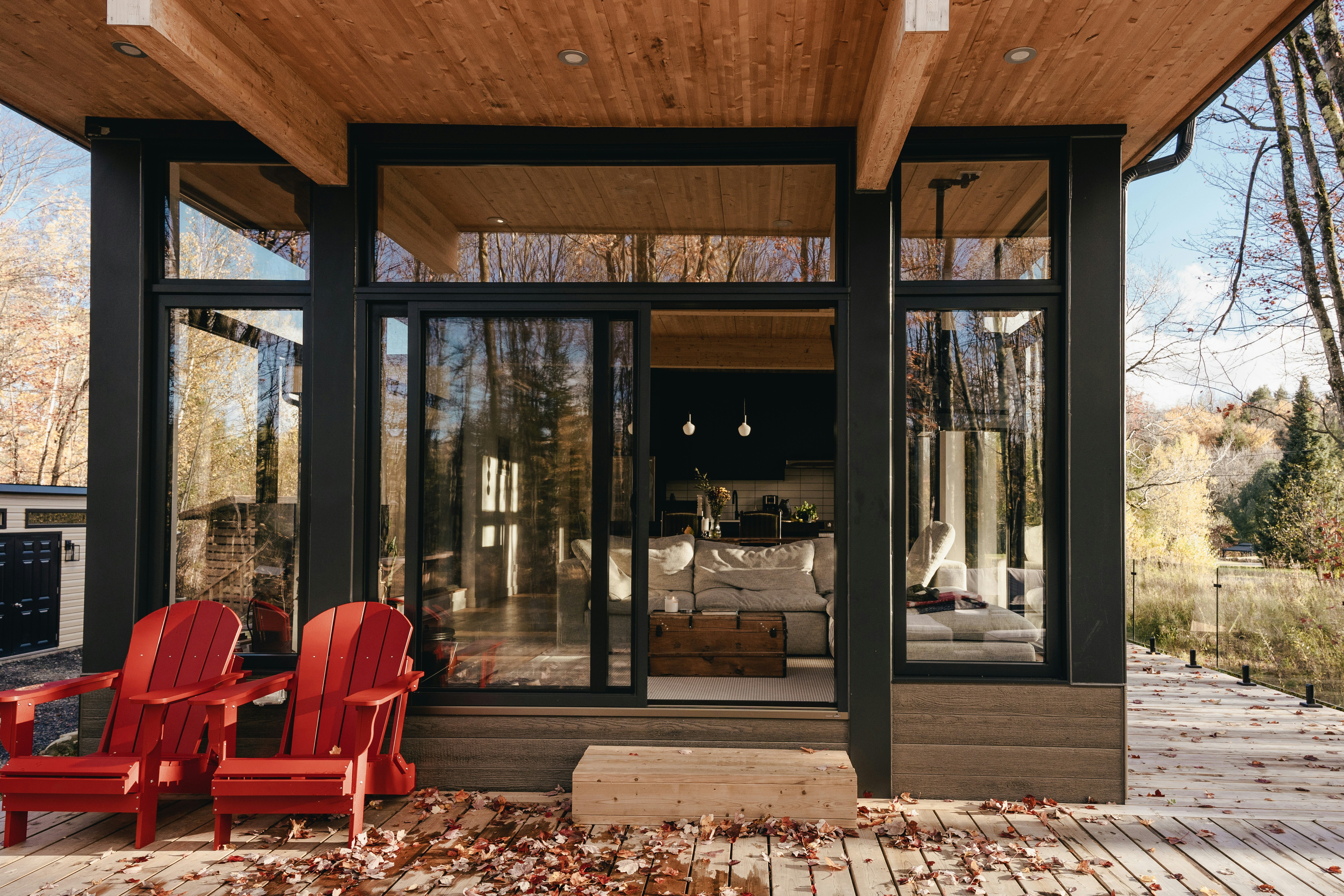
Airbnb exterior — autumn deck with red chairs, glass wall
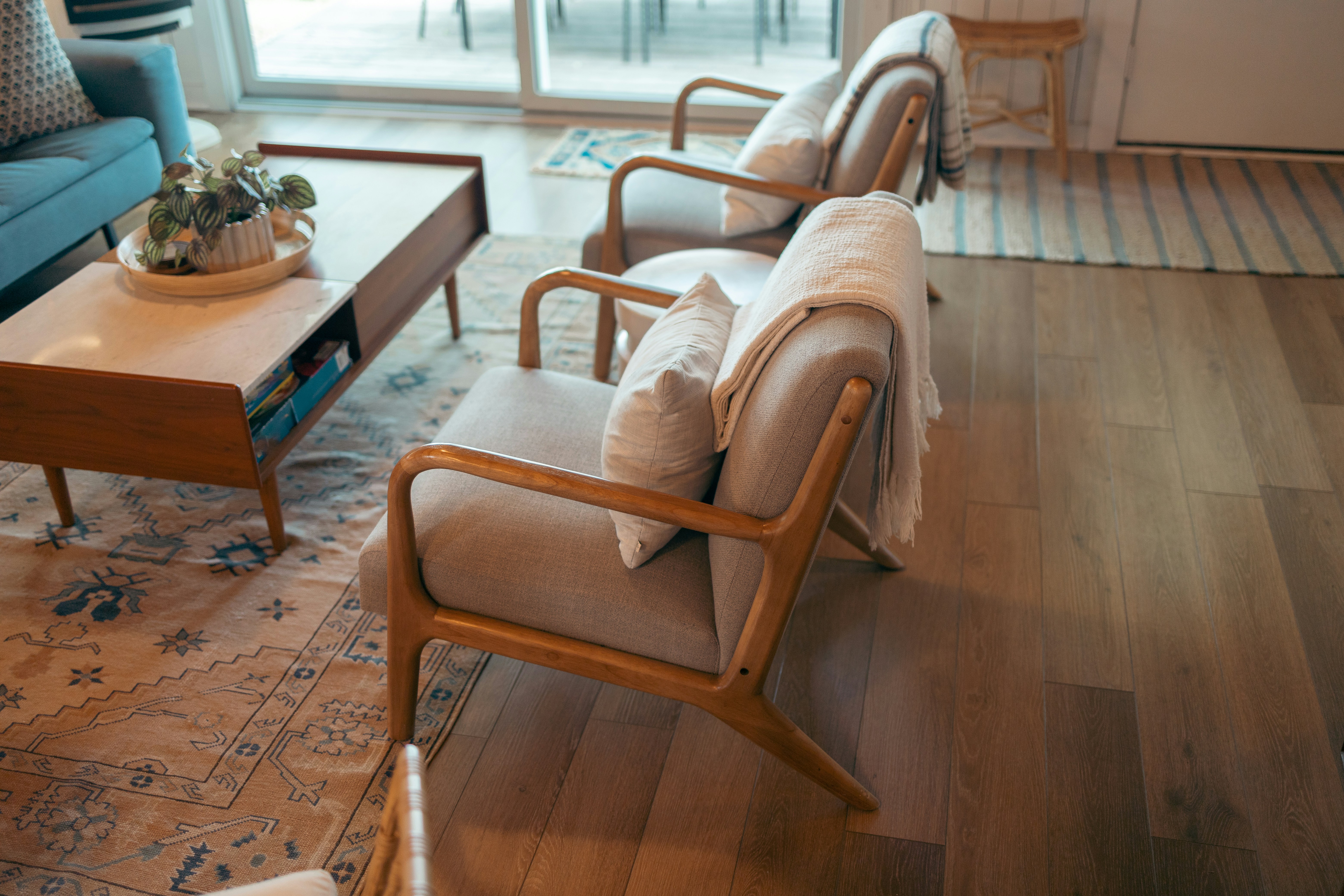
Airbnb interior — mid-century chairs, warm timber, natural light

Ready to see what
your property could become?

Start with a free AI audit — no sign-up friction, no sales call. Just an honest picture of where your property stands and what to do about it.

Try a free tool